
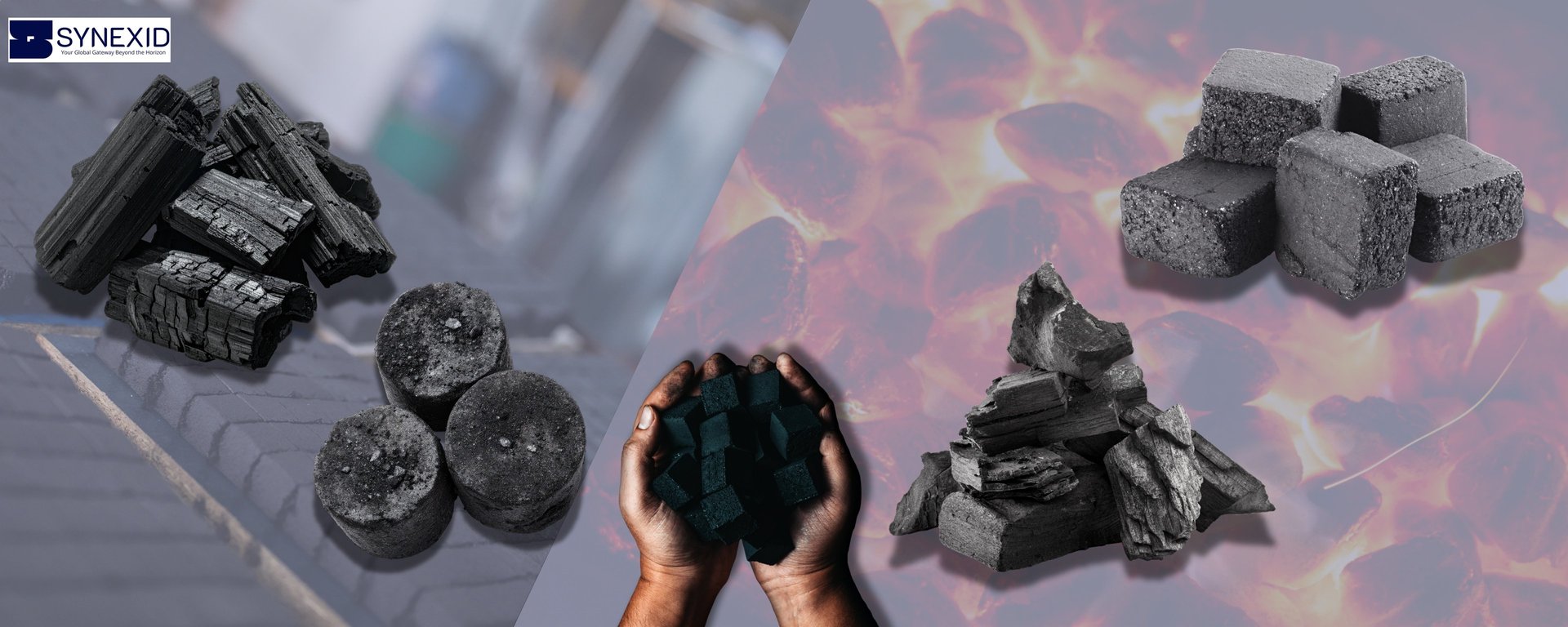
How to Spot "Fake" Coconut Charcoal: A Guide from Synexid Indonesia
Introduction
The global demand for premium shisha experience is skyrocketing, and Indonesian coconut shell charcoal remains the gold standard. Its high heat, long burn time, and odorless properties are unmatched. However, this high demand has created a murky marketplace flooded with "fake" or mixed charcoal.
Many unscrupulous suppliers cut costs by mixing cheap wood charcoal, sawdust, or excessive chemical binders into their briquettes. The result? A terrible smoking experience that can ruin your brand's reputation.
As a trusted product sourcing based directly in Indonesia, Synexid Export Indonesia acts as your eyes and ears on the ground. We don’t just find suppliers, we audit them rigorously. Here is our insider guide on how to spot inferior charcoal before you lose your money.
1. The Visual Inspection: Density and Texture
Before you even light the charcoal, you can tell a lot by looking at it and holding it. Premium 100% coconut shell charcoal is incredibly dense. It should feel heavy for its size.
When you inspect the surface of the briquette (whether cube, flat, or hexagonal), it should be relatively smooth and solid. If the surface looks overly porous, has many visible cracks, or feels unusually light and dusty, it is a strong indicator that fillers like sawdust or softwoods have been used to bulk up the product cheaply.
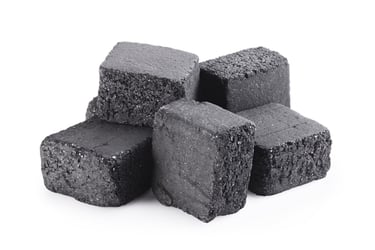
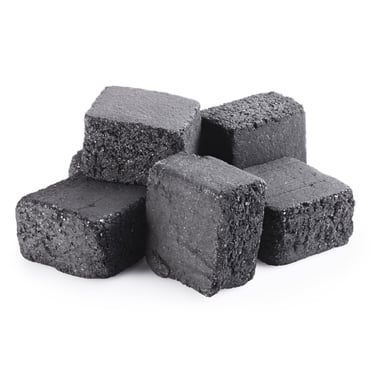
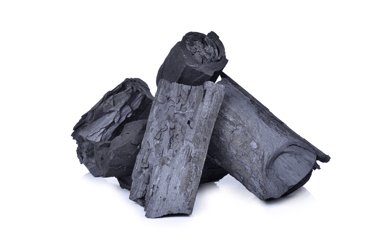
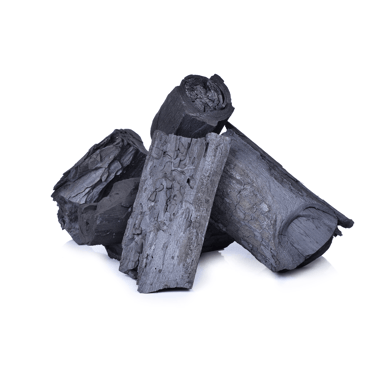
Suggested Image Caption: A side-by-side comparison. Left: A smooth, dense, premium Synexid-sourced briquette. Right: A porous, cracked, low-quality briquette.
2. The Ignition Test: Smell and Smoke
This is the most critical test for shisha enthusiasts. The defining characteristic of high-quality coconut charcoal is that it is virtually odorless and tasteless once fully ignited.
When lighting "fake" or mixed charcoal on a burner, you will often notice a distinct smell. If it smells like a campfire or burning wood, it contains wood filler. If it has a sharp, chemical smell, cheap binders have been used. Real coconut charcoal may have a very faint, natural scent while igniting, but it should be completely neutral when glowing red.
Never compromise on this, as bad odors will overpower the shisha flavor and give your customers a headache.
3. The Ash Test: Color and Consistency
The aftermath of the burn tells the final story of purity. In the premium market, buyers look for "White Ash" or a very light cream color.
While some good coconut charcoal can produce slightly grey ash depending on the region of origin in Indonesia, dark grey or black ash is almost always a sign of heavy wood mixture or dirt contamination.
Furthermore, observe the ash consistency. High-quality charcoal ash should hold the shape of the briquette even after it's fully burnt out. If the ash immediately crumbles into fine dust and gets everywhere, the structural integrity is poor.
4. The Durability "Drop Test"
Your charcoal has to travel thousands of miles across the ocean in a container. It needs to be tough. At Synexid, we perform a standard "Drop Test" during our factory audits.
We take a sample briquette and drop it from a height of one meter onto a hard concrete floor. A premium briquette should bounce and remain intact, perhaps with only tiny chips on the edges. If the briquette shatters into pieces upon impact, it has poor density or weak binders and will likely arrive at your warehouse as a bag of unusable dust.
Conclusion: Don't Gamble with Quality
Trying to source charcoal remotely without a trusted local partner is a massive risk. Photos sent by suppliers can be edited, and samples can be "golden samples" that do not match the final container load.
This is why Synexid Export Indonesia exists. Our product sourcing service ensures that you get exactly what you pay for. We validate the factory, we supervise the production, and we ensure only premium Indonesian coconut charcoal makes it into your container.
Stop gambling with suppliers. Partner with Synexid for reliable, high-quality sourcing.
PT SYNEXID EXPORT INDONESIA © 2026. All rights reserved.
Jl. Raya Narogong KM.7 No.01, Kota Bekasi, Jawa Barat 17116
Article
Product Sourcing
Quality Control
Global Logistics
OEM / Private Label
Privacy Policy